

Duty free: The truth about shopping in airports
This article covers:
- Why does everyone love duty free shopping?
- What is duty free shopping?
- Duty-free is not always cheaper
- Import limits do exist…you know
- What is actually worth buying at the duty free stores?
- What is not worth duty free?
- Keep your receipts with you!
- How to actually save money at duty-free?
- Before you buy: a universal duty-free checklist
- Before you go…Get your amaze card in the Instarem app
- Frequently asked questions
Let’s be honest duty-free shopping feels like a sport. You’ve cleared immigration, you’ve got time to kill, and suddenly those glossy shop windows look very inviting.
But is duty free really the treasure trove of discounts we think it is?
Let’s break it down what it actually means, what’s worth buying, what’s not… and how to avoid spending money just because you’re bored at the gate.
Why does everyone love duty free shopping?
It ticks all the boxes:
You can grab last-minute gifts without stuffing your check-in luggage.
You get to browse global brands in one place.
Sometimes you score travel exclusives.
And it all happens conveniently before you fly.
In places like Singapore Changi Airport, you don’t even need to wait until you reach there. You can pre-order online via iShopChangi and just collect your haul after clearing customs. Efficient? Yes. Dangerous for your wallet? Also yes.
But here’s the reality: just because something is labelled “duty free” doesn’t automatically mean it’s cheaper.
So before you splurge, let’s do a quick reality check.
What is duty free shopping?
Duty free shopping or sometimes affectionately known as DFS, allows people to purchase products while avoiding payment of certain taxes and duties usually imposed by countries.
Sounds great, right?
Well… taxes vary by country. And sometimes, even if you avoid tax at purchase, you might still have to pay something when you land back.
In other words: it’s tax-free at the point of sale, and it is not always tax-free forever.
Duty-free is not always cheaper
When we hear “duty free”, we immediately picture massive discounts and unbelievable steals. It feels like walking into a treasure trove of marked-down luxury goods.
You can already imagine yourself browsing from store to store, picking up that “perfect” item and feeling smug at checkout because hey, no tax, right?
Well… not quite.
Just because something is labelled duty free doesn’t automatically make it a bargain. In many cases, retailers mark up the base price before removing the tax. So while the tax is technically gone, the final price may not be that impressive after all.
And if you’ve shopped around European airports, you might have noticed this. In fact, the intra-EU duty-free shopping was abolished back in 1999. That means what you’re seeing isn’t always the tax-free dream you think it is. Sales taxes can still apply depending on where you’re flying within the EU.
Unfortunately for individuals looking to add a few designer brands to their travel wardrobe with minimal expense, the sales taxes are still there.
The takeaway: don’t get swept up in the glossy displays and travel excitement. A quick price check before you buy can save you from falling for what is essentially a very well-dressed tourist trap.
Import limits do exist…you know
Knowing every duty-free store’s rules is essential. This is especially so when you consider the fact that in some countries, even if it was tax-exempted there, you still have to pay a fee when coming back!
India
For instance, India has a customs duty of 36% over Rs. 45,000, and you can’t split the exemption limit between two people – so if you thought that buying a pricey TV with your spouse would get around it, think again!
United States
Similarly, in the USA, you can bring up to $800 without paying taxes – but then there’s an awful 3% tax charged on anything extra over the limit. Better brush up on those duty regulations first!
Singapore – Changi Airport
“For example:”
Singapore GST relief limits
Alcohol allowances
Tobacco exception
What is actually worth buying at the duty free stores?
So, you’re probably thinking, “Finally! Time to grab that La Mer skincare I’ve been eyeing for months.”
Well… hold on a sec. Let’s see what really makes sense to pick up at duty free before you go wild.
Alcohol, liquors and spirits
If you’re flying back to Singapore, here’s a tip: alcohol can be seriously pricey because of heavy taxes. These “sin taxes” are meant to curb overconsumption, tackle health issues like liver disease, and cover the social costs of drinking. Plus, of course, they bring in government revenue.
That’s why non-VAT liquor can actually be a smart buy. But don’t get too carried away. At Singapore Changi Airport, the rules are strict: one bottle per passport, for personal consumption only.
The bonus? Airports often carry travel-exclusive liquors and wines you won’t find anywhere else. Some even let you shop online 24–48 hours before your flight. Just add to cart, and pick it up after clearing customs. Keep an eye out for items marked “exclusive” on the duty-free website. Your next favourite bottle might be waiting for you before you even board!
Fragrances
It’s no surprise that perfume always makes the must-buy list. You hear people always asking friends and family to buy perfume on their behalf. But it isn’t always because it is purely the value for money.
Airports often carry exclusive scents you won’t find anywhere else, or travel-exclusive miniatures perfect for your next trip. Some people pick up a scent as a souvenir of their travels, while others just take it as a chance to buy their favourites at a good price point.
For whatever reason you are buying, it doesn’t mean you can buy 100 bottles of perfume from all over the world. Customs rules still apply.
For example, according to Japan Customs, visitors can bring in up to 2 ounces (60 ml) of perfume tax-free. Any amount over this limit will be subject to customs duty.
Gift sets
Airports can actually be a goldmine for local and travel-friendly gift sets. Sure, you might immediately think of classics like Tiger Balm. However, there’s more than just that. You can often find curated sets that are surprisingly affordable, including travel-sized skincare bundles, curry powder gift sets, or Tokyo Banana packs in Japan.
Some gift sets even come in threes, so you can split them up and give them as separate presents. The best part? It’s not just food or perfume, from skincare like La Mer to local treats, airports make it easy to pick up thoughtful gifts all in one stop.
Food
When it comes to bringing food from your travels, every nation has its own declaration rules and some are stricter than others.
Take Australia, for example. Any food items you bring in need to be declared on your Incoming Passenger Card, and biosecurity officers might inspect them. Even small amounts or simple cooking ingredients can fall under strict regulations, all to prevent pests and diseases from entering the country.
Singapore, on the other hand, is a bit more relaxed. You can bring back food as long as it’s from approved sources. That said, some items are still banned, like chilled raw oysters or crabmeat, but most fruits and vegetables are fine.
And what about items that sit between food and health products, like supplements? Again, it’s worth checking your country’s allowances. In Singapore, for instance, you don’t need approval from the Health Sciences Authority for things like:
Cosmetic products
Health supplements
Quasi-medicines (think anti-dandruff products, medicated soaps, plasters, beverages, or vitamin/nutritional prep)
Traditional medicines like Jamu or Ayurvedic remedies (excluding Chinese Proprietary Medicines)
Medicated oils and balms
Herbal materials
Homeopathic medicines
Topical antiseptics
The takeaway? Always double-check before you pack that souvenir snack or supplement. It’s better to be safe than have your goodies confiscated at the border.
What is not worth duty free?
That “tax-free” sign can be very persuasive. It makes everything feel like a smart purchase.
But sometimes? You either don’t save that much… or you end up with something you can’t even properly use.
Here’s where you might want to think twice.
Electronic goods
Shopping for electronics goods can be a great way to save a few bucks and make you feel like you’ve made the ultimate score.
However, what most shoppers don’t realise is that many of the product warranties for electronics will not cover items purchased abroad, meaning it may end up being a costly purchase if something goes wrong. Not to mention the fact that returning any items can be nearly impossible if something doesn’t work out as intended.
At worst, you might get home and realize that your expensive new purchases aren’t compatible with your power socket.
So, while purchasing Nintendo Switch or Dyson Supersonic Hair Dryer in duty free might seem tempting, it’s important to remember that they may end up leaving you with an expensive paperweight.
Luxury bags
Luxury shops mainly cater to two types of shoppers: those trying to dodge high sales tax at home, and those hunting for gifts for friends or family.
But here’s the thing, airport boutiques aren’t just about making immediate sales. They’re also about brand exposure. Airports are full of affluent travellers with a few hours to kill, plenty of cash, and time to browse.
Sometimes, the interest in a brand starts at the airport, but the actual purchase happens elsewhere.
And let’s be honest, holiday mode makes us less price-sensitive. That “I deserve this” energy hits differently at a departure gate.
Are there rare finds? Sure. Maybe you stumble upon the last pair of your dream shoes in your size. But most of the time, luxury goods at airports aren’t dramatically cheaper. They’re counting on impulse.
Tobacco products
Now, what qualifies as tobacco products? Generally, this includes:
Cigarettes (Marlboro, Dunhill, Lucky Strike, Camel)
Roll-Your-Own (RYO) & Pipe Tobacco (Golden Virginia, Drum, Mac Baren)
Cigars (Cohiba, Montecristo, Romeo y Julieta)
Heated Tobacco Products (HTPs) (IQOS, Glo)
E-Cigarettes & Vape Products (Where Legal)
Here’s the tricky part: even if you buy these duty free, strict countries like Singapore usually charge extra when you arrive. And there are limits on how much you can bring in.
Rules vary a lot. Some countries ban certain items entirely. For example, many places restrict or prohibit vapes.
Also, if you’re transiting through another country, the regulations of your final destination are what really matter — not the airport you bought them from. So keep that in mind before stocking up!
Keep your receipts with you!
Always hang on to your duty-free receipts. It’s not just about proving you bought a souvenir or a T-shirt – you may need them to show customs that your purchases were made abroad. No one wants to deal with awkward questions or inspections at the border, so keeping your sales slips handy can save you a lot of stress.
And while you’re at it, don’t overlook transit vouchers and air-mile perks. Airports practically hand them out like candy! Frequent travellers can turn these into real savings — whether it’s a discount on duty-free goodies, a free snack at Singapore Changi Airport, or even a little treat at Dubai Airport.
The trick is simple: keep your receipts, collect your vouchers, and make the most of every perk before it disappears.
How to actually save money at duty-free?
PS, this should no longer be a secret but there’s an even bigger saving available. Paying in the local currency when shopping duty free can save you a lot of money.
Not only will the prices look better when expressed in local terms, but you are also able to avoid high overseas fees. So next time you’re hitting the duty-free shop on your travels, make sure you pay in the local currency and reap the savings!
Before you buy: a universal duty-free checklist
Here’s your global travel tip: before you grab that “amazing” duty-free deal, pause for a second and ask yourself:
Is this really cheaper than back home?
Will I go over my country’s allowance?
Are there currency exchange or warranty risks?
Can I fit it in my luggage without extra fees?
No matter where you are in the world, these questions are your best defense against impulse buys that might end up costing more than they save.
And don’t forget about fitting your shopping into your bags…
Duty-free shopping is often seen as the mecca of cheap goods, but in reality, it rarely lives up to its lofty hype. Unless you are after a few litres of perfume or a box of chocolates, duty free prices are largely the same as those found at other regular retailers.
The only thing that might be taken away from your duty free experience is the dangerous thrill one experiences in trying to guess their weight on luggage scales. This feeling is eloquently encapsulated by one seasoned traveller who remarked “You’re never sure whether you’ll breeze through security or if they’ll ask you to remove cords and plugs from your electronic devices”.
As amusing as this all may sound, it’s best practice to avoid buying anything you aren’t able to neatly pack within your bags before you depart!
And if you are Singaporean, this is a section to read.
Do you have to pay GST when you are back in Singapore?
When you arrive back, you need to pay GST of 7% on all items brought into the country. You’ll have to provide either the receipts or show evidence of how much similar items typically sell.
Fortunately, there are ways to pay – either use the Customs@SG website or head down to a Customs tax office.
The Singapore Customs website has confirmed that goods granted GST import relief include new articles, souvenirs, gifts and food preparations intended for the traveller’s personal use. Your total GST payable depends on just how long gone you’ve been.
Time spent away from Singapore | Value of goods granted GST relief |
48 hours or more | S$500 |
Less than 48 hours | S$100 |
Before you go…Get your amaze card in the Instarem app
Before you even think about walking into those duty free stores at the airport, make sure to check out Instarem and see just how much more you can save WITHOUT having to leave your house
Whether you’re an expat who is travelling or a Singaporean looking to travel overseas, Instarem can help you save both time and money.
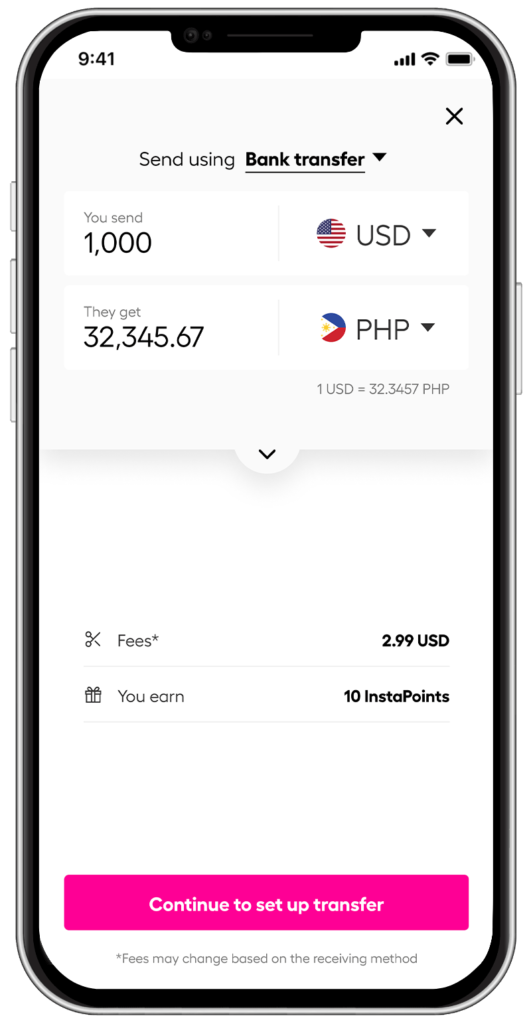
With no hidden fees and competitive exchange rates, we make it easy to send money home. Try Instarem for your next transfer by downloading the app or sign up here.
And through amaze*, pair up with any Mastercard bank cards or top up your amaze wallet and get:
- Fantastic FX rates with every global purchase.
- Earn air miles just by linking your card or wallet.
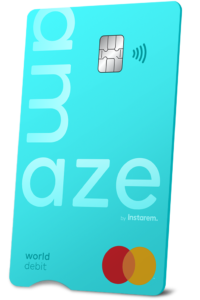
Sign up now and get your virtual card promptly
*Disclaimer: This article is intended for informational purposes only. All details are accurate at the time of publishing. Instarem has no affiliation or relationship with products or vendors mentioned.
Frequently asked questions
What happens if you open a duty-free bag?
Duty-free items, especially liquids, alcohol, and perfumes, are sold in sealed Security Tamper-Evident Bags. If you open the bag before clearing security or customs, you may lose the tax-free benefit, and security might confiscate items over limits like 100 ml. For travellers with connecting flights, opening the bag mid-transit can cause problems at the next security check. The safest approach is to only open the duty-free bag after reaching your final destination, where it’s fully yours to use.
Do I buy duty-free on arrival or departure?
Buying duty-free on departure usually gives a wider selection, better pricing, and access to travel-exclusive items, making it ideal for luxury goods or collectibles. Buying on arrival can be more convenient if you don’t want to carry liquids or tobacco during your trip, and some airports like Singapore and Australia offer arrival duty-free for local consumption. Ultimately, departure is often better for price and selection, while arrival is better for convenience and ease of travel.









![Wise vs Revolut: Which to choose? [2026 Review]](https://www.instarem.com/wp-content/uploads/2024/03/1572_blog-feature-image-04-768x403.jpg)


